
The Malaysian fashion and imagination is experiencing a captivating transformation through the integration of cutting-edge technology . With 3D printing making its mark on the world of design, fashion enthusiasts are witnessing a paradigm shift that marries innovation and style. This article takes a deep dive into the realm of fashion with 3D printing, exploring its usage, benefits, and significance within the Malaysian fashion scene.
Understanding the Usage of 3D Printing in Fashion
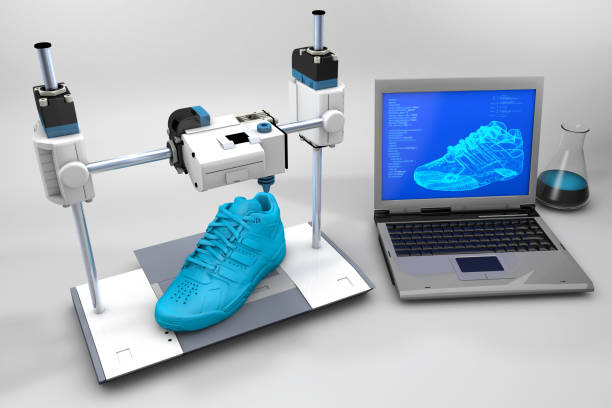
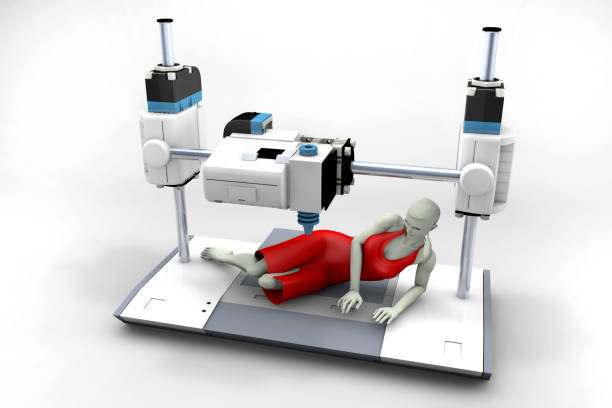
3D printing in fashion refers to the utilization of additive manufacturing techniques to create clothing, accessories, and footwear. This revolutionary approach allows designers to craft intricate, customizable pieces that break free from the constraints of traditional garment construction.
Benefits of Using 3D Printing in Fashion
1. Unlimited Design Possibilities: 3D printing enables designers to create avant-garde designs and unconventional structures that were once considered unattainable using traditional methods.
2. Personalization: With 3D printing, fashion becomes highly customizable. Individuals can have clothing and accessories tailored to their exact measurements, ensuring a perfect fit.
3. Reduced Waste: Unlike mass production, 3D printing minimizes material waste as it only uses the exact amount of material required for each piece.
4. Rapid Prototyping: Designers can create prototypes quickly, allowing them to experiment with design iterations and refine their creations before the final production stage.
5. Sustainable Fashion: 3D printing can contribute to sustainable fashion practices by enabling local production and reducing the carbon footprint associated with traditional global supply chains.
Relevance of 3D Printing in Malaysian Fashion
In the vibrant Malaysian fashion landscape, the infusion of 3D printing technology aligns with the nation’s passion for cultural heritage and innovative creativity. Malaysian designers are embracing 3D printing to fuse traditional elements with futuristic aesthetics, leading to fashion that is both culturally rich and visually stunning.
Spotlight on Malaysian Designers
Several Malaysian designers are pushing the boundaries of fashion with 3D printing:
1. Melinda Looi: Known for her eclectic designs, Melinda Looi has incorporated 3D printing into her collections, creating pieces that seamlessly blend traditional Malaysian motifs with modern technology.
2. Farah Khan: Farah Khan’s collaboration with Materialise, a 3D printing company, resulted in an exquisite jewelry collection that marries intricate craftsmanship with innovative techniques.
Tips and Recommendations
1. Embrace Collaboration: Fashion designers should collaborate with experts in 3D printing to fully harness the technology’s potential.
2. Experiment with Materials: Experiment with a variety of 3D printing materials, from plastics to metals and even sustainable options like bioplastics.
3. Consider Wearability: While 3D-printed fashion is groundbreaking, prioritize comfort and wearability to ensure that the final pieces are practical for everyday use.
Conclusion:
Fashion with 3D printing has transcended traditional boundaries, empowering designers to explore uncharted realms of creativity and personalization. In Malaysia, where culture and innovation intertwine, 3D-printed fashion stands as a testament to the nation’s forward-thinking spirit. As designers continue to redefine style through this revolutionary technology, fashion enthusiasts in Malaysia can anticipate a dynamic future where tradition meets innovation on the runway.
