

Laboratory mdcplanner design plays a role in creating functional and efficient scientific spaces that facilitate research and innovation . In Malaysia, the design of laboratories is of utmost importance to ensure the smooth operation of various scientific disciplines.
This article aims to provide valuable insights into what laboratory design encompasses, why it holds importance for researchers in Malaysia, and how it contributes to enhanced research outcomes. Read on to explore the relevance of laboratory design in Malaysia’s scientific landscape.
What is Laboratory Design?
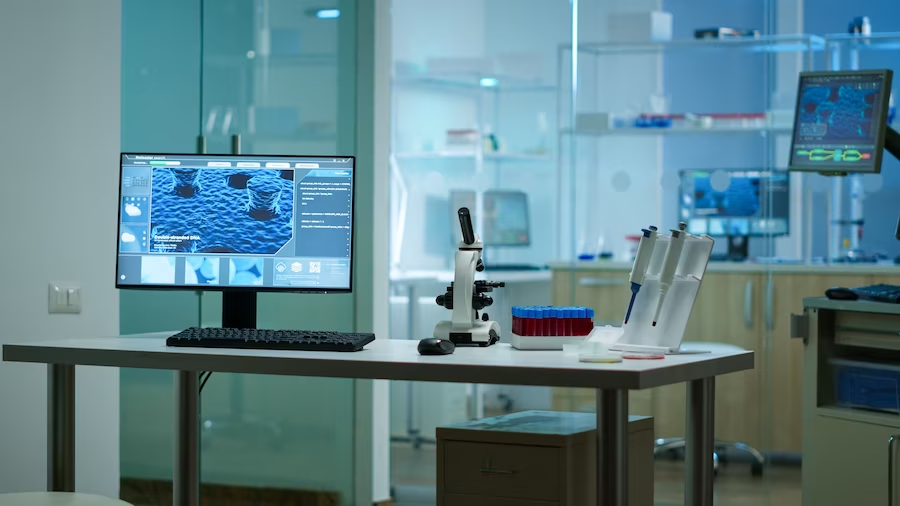
Laboratory design refers to the planning, layout, and organization of scientific spaces to meet the specific needs and requirements of researchers. It encompasses considerations such as space utilization, equipment placement, workflow efficiency, safety protocols, and adherence to regulatory standards. Effective laboratory design ensures optimal functionality, productivity, and safety within the scientific environment.
The Importance of Laboratory Design in Malaysia
a. Efficient Workflow and Productivity:
Well-designed laboratories in Malaysia contribute to efficient workflow and increased productivity among researchers. Proper layout and organization of equipment, workstations, and storage areas enable researchers to navigate the space seamlessly, reducing the time spent on logistical tasks and optimizing their focus on research activities. An efficiently designed laboratory promotes a smooth workflow, leading to enhanced productivity and research outcomes.
b. Safety and Risk Mitigation:
Laboratory design is crucial for ensuring safety and mitigating risks associated with scientific work. Proper placement of safety equipment, emergency exits, ventilation systems, and hazardous material storage areas is essential to create a safe working environment. Compliance with safety standards and regulations in laboratory design minimizes the potential for accidents, exposure to hazardous substances, and damage to equipment or samples.
c. Flexibility and Adaptability:
Laboratory design should incorporate flexibility and adaptability to accommodate changing research needs and technological advancements. Modular furniture, adjustable workstations, and flexible infrastructure allow laboratories in Malaysia to adapt to evolving research requirements, easily reconfigure space, and integrate new technologies or equipment. Flexibility in laboratory design enhances efficiency and ensures long-term viability of the scientific facility.
d. Collaboration and Innovation:
Effective laboratory design encourages collaboration and fosters innovation among researchers in Malaysia. Incorporating communal spaces, such as shared workstations, collaboration areas, and discussion zones, promotes interdisciplinary interactions and idea exchange. Designing laboratories with spaces that facilitate teamwork and knowledge sharing enhances research outcomes and stimulates innovation within the scientific community.
Conclusion:
Laboratory design plays a significant role in Malaysia’s scientific landscape, ensuring efficient and safe spaces for researchers. The importance and relevance of laboratory design cannot be overstated. It contributes to efficient workflows, increased productivity, safety, flexibility, and collaborative research environments.
Effective laboratory design in Malaysia promotes scientific advancements, stimulates innovation, and supports the pursuit of breakthrough discoveries. By investing in well-designed laboratories, researchers can maximize their potential, optimize research activities, and contribute to the scientific progress of the nation.
Remember, laboratory design should be approached with careful consideration of the specific research needs, safety requirements, and regulatory standards. Engaging experienced laboratory designers and architects is crucial to creating functional and efficient scientific spaces in Malaysia. Embrace the transformative power of well-designed laboratories, enhancing research capabilities and fostering scientific excellence in Malaysia.
